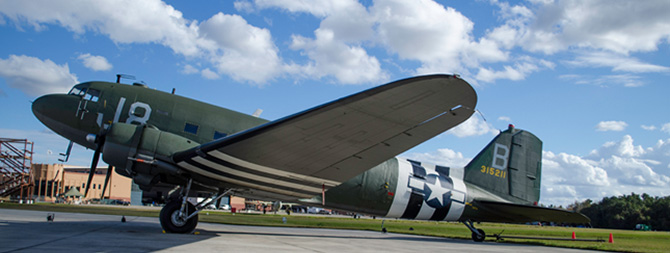
If you have the world’s greatest passion for aviation history, you’re in luck. Fantasy of Flight is home to the world’s greatest collection of vintage aircraft. Historic, awe-inspiring time machines – flown every day. Ones that don’t collect museum dust, but collect fans and aviation enthusiasts from all points of the compass.
The fleet of vintage aircraft displayed at Fantasy of Flight has earned the admiration of knowledgeable aviators and inspired the imagination of those who have always dreamed of soaring above the clouds. The vintage aircraft, painstakingly acquired by lifelong aviation enthusiast and Fantasy of Flight founder Kermit Weeks, represent all eras of aviation from early flight to the 1950s.
Please note: The large original Fantasy of Flight Facility is now closed except for restoration and maintenance. This is where much of the collection is stored. What is open seasonally is the hangar across the runway, housing approximately 25 aircraft at any given time, and a gift shop. Aircraft are typically rotated seasonally.
Currently Showing In Museum
The large hangar at Fantasy of Flight is filled with vintage aircraft from several aviation eras for your enjoyment. Browse through the gift shop for unique Fantasy of Flight items that can only be found…
Kermit's Collection
- Early Flight
- WWI
- Golden Age
- 1938 AVRO Cadet
- 1934 Brown B-2 “Miss Los Angeles”
- 1937 Bücker Jungmeister
- 1934 Cierva C.30-A Autogiro
- 1929 Curtiss Robin
- 1931 Curtiss-Wright Junior
- 1932 DGA-5 “IKE”
- 1929 Ford 5AT Tri-Motor
- 1932 Gee Bee R-2
- 1931 Gee Bee Y Sportster
- 1931 Gee Bee Z
- 1931 Laird Super Solution
- 1934 Pitcairn Autogiro PA-18
- 1930 Sikorsky S-39
- 1927 Spirit of St. Louis
- 1931 Stinson Tri-Motor
- 1941 Stinson Vultee L-1E
- 1929 Travel Air 4000
- WWII
- 1944 Bachem Natter Viper
- 1945 Boeing B-17 Flying Fortress
- 1939 Bücker Bestmann
- 1936 Bücker Jungmann
- 1945 Chance-Vought F4U-4 Corsair
- 1944 Consolidated B-24J Liberator
- 1944 Curtiss TP-40N
- 1944 Fieseler V-1 Buzz Bomb
- 1937 Fieseler Fi-156 Storch
- 1937 Focke-Wulf Fw-44 Stieglitz
- 1938 Grumman F3F-2
- 1943 Grumman Wildcat
- 1940 Martin B-26 Marauder
- 1945 Nord Stampe
- 1944 North American AT-6
- 1943 North American B-25 J Mitchell
- 1944 North American P-51C Mustang
- 1945 Piper L-4 Grasshopper
- 1954 Polikarpov PO-2
- 1944 Short Sunderland
- 1945 Supermarine Spitfire Mk 16
- Korean War / Post WWII
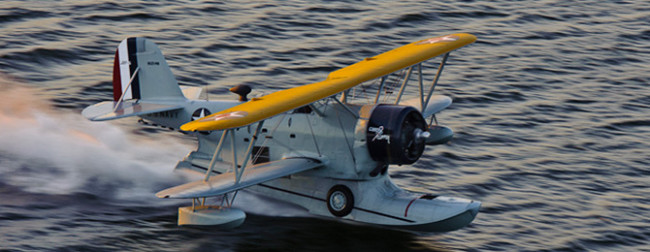
World's Greatest Aircraft Collection
The planes in this category are on permanent display at Fantasy of Flight courtesy of World’s Greatest Aircraft Collection, a non-profit 501(c)(3) corporation. A portion of each ticket sale to Fantasy of Flight is donated to World’s Greatest Aircraft Collection for the restoration, maintenance, and preservation of the collection.